

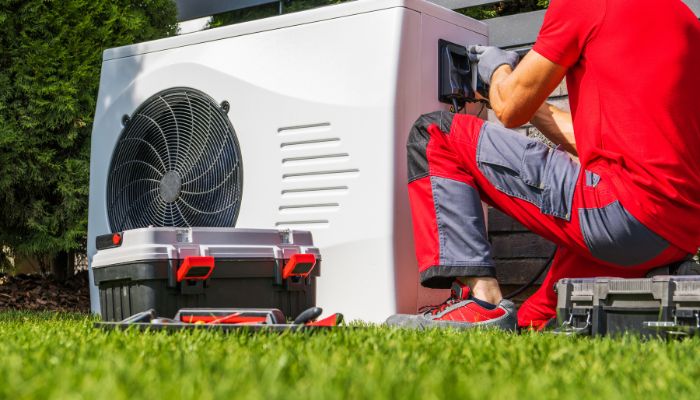
Your HVAC system plays a crucial role in maintaining indoor comfort all year round. However, like any mechanical system, it eventually shows signs of wear and tear. When these issues appear, homeowners often wonder whether they should repair their HVAC unit or replace it entirely. Making the right decision saves money, improves energy efficiency, and prevents unexpected breakdowns. In this comprehensive guide, you will learn the most important signs that help you decide whether to repair or replace your HVAC system. Furthermore, you will gain valuable insights into how professionals such as Cube Heating & Cooling diagnose these issues and provide the best solutions for long-term performance.
Understanding When to Repair or Replace Your HVAC System
Every HVAC system gives clear warnings before it fails. Some symptoms require simple repairs, while others indicate that your system has reached the end of its life. You must recognize these signs early because timely action prevents expensive damage. Moreover, addressing issues quickly improves indoor comfort and reduces energy bills. Below, we break down the specific indicators that help you make an informed decision.
Signs Your HVAC System Needs Repair
Sometimes your HVAC system only needs a professional repair to restore full function. Here are the most common signs that suggest a repair is sufficient.
1. Weak or Inconsistent Airflow
Weak airflow from vents usually indicates minor issues such as:
- Clogged air filters
- Blocked ducts
- A failing blower motor
- Dirty evaporator coils
These problems rarely require a full system replacement. Instead, an HVAC technician can diagnose the issue and repair it quickly. However, ignoring airflow issues leads to declining performance and higher energy costs. Therefore, you must schedule a repair as soon as possible.
2. Strange Noises From Your System
Every HVAC system makes low-level noise during normal operation. However, unusual sounds such as banging, rattling, squealing, or hissing indicate internal problems. For example:
- Banging may signal loose components.
- Squealing may point to belt or motor issues.
- Hissing often indicates refrigerant leaks.
Most noise-related issues require simple repairs instead of total replacement. But if the noises persist after several repairs, replacement becomes the more cost-effective option.
3. Unpleasant or Odd Smells
If you notice unusual smells coming from your HVAC system, you must address the issue immediately. Common odor-related causes include:
- Burning smells caused by electrical issues
- Musty smells caused by mould inside ducts or coils
- Chemical smells caused by refrigerant leaks
Most odors signal repairable issues. However, ignoring them may lead to health hazards or system failure. A quick inspection ensures safety and protects your indoor air quality.
4. Higher Than Usual Energy Bills
A sudden spike in your energy bill is one of the clearest signs that your HVAC system is working harder than it should. Dirty filters, damaged parts, or restricted airflow may cause inefficiency. In most cases, repairing or replacing the faulty components restores performance and reduces energy consumption. Nevertheless, if your energy bills continue rising despite multiple repairs, you must consider replacing the entire system for long-term savings.
5. Frequent System Cycling
If your HVAC system turns on and off more often than usual, you may be experiencing short cycling. Several repairable causes include:
- Thermostat malfunctions
- Dirty air filters
- Low refrigerant levels
- Electrical control issues
Short cycling puts unnecessary strain on your system. Therefore, you should schedule a repair immediately to prevent premature failure.
Signs Your HVAC System Needs Replacement
Although repairs fix many issues, some problems indicate that your system is nearing the end of its lifespan. Below are the strongest signs that you should replace your HVAC system.
1. Your HVAC System Is More Than 10–15 Years Old
Most HVAC systems last between 10 and 15 years. Older units lose efficiency, require more frequent repairs, and fail to maintain consistent temperatures. Moreover, outdated models consume more energy and cost more to operate. Therefore, once your unit reaches this age range, replacement becomes a smarter long-term investment.
2. You Experience Constant Repairs
If your system breaks down repeatedly, you may be wasting money on temporary fixes. Industry professionals use the 50% rule:
If the cost of repair reaches 50% of the cost of a new system, replacement becomes the better choice. Replacing the entire unit eliminates ongoing repair expenses and provides improved performance, reliability, and warranties.
3. You Notice Poor Indoor Air Quality
Aging HVAC systems fail to filter dust, allergens, and pollutants effectively. As a result, you may notice symptoms such as:
- Increased dust around the home
- More frequent allergies
- Dry air or high humidity
- Musty or stale air
Modern systems include advanced filtration, humidity control, and cleaner air output. Therefore, if indoor air quality declines, replacement becomes the best solution.
4. Your Home Has Hot and Cold Spots
If your system fails to maintain consistent temperatures across different rooms, it may be losing efficiency. Older HVAC units struggle to distribute air evenly. While technicians can fix duct-related issues, uneven heating or cooling often means your system can no longer meet your home’s demands. A replacement restores balanced comfort throughout your home.
5. Your System Uses Outdated Refrigerant (R-22)
R-22 refrigerant is no longer manufactured due to environmental concerns. If your system still runs on R-22 and develops a refrigerant leak, repairs become extremely expensive. In this case, replacing the HVAC unit is the smarter and more economical option.
When a Repair Is Enough
Not every HVAC problem requires system replacement. In many cases, simple repairs restore performance and extend the life of your system. Repairs are typically sufficient when:
- The system is less than 10 years old
- The issue involves a replaceable part
- The repair cost is low
- The system has received regular maintenance
Professional HVAC technicians, including the team at Cube Heating & Cooling, assess the severity of the issue and recommend the most practical solution.
When Replacement Makes More Sense
HVAC replacement becomes the better option when:
- The system is old and inefficient
- The cost of repair is too high
- You want improved indoor air quality
- You plan to increase energy efficiency
- Your home needs stronger temperature control
Although replacement requires a higher upfront cost, it offers long-term benefits such as:
- Lower energy bills
- Fewer breakdowns
- Better air quality
- Enhanced home comfort
- Increased property value
Replacing the system also ensures modern technology, higher SEER ratings, and advanced features that older units lack.
How HVAC Professionals Diagnose Repair vs. Replacement
A professional HVAC inspection includes:
- Checking thermostats and settings
- Testing electrical connections
- Inspecting air ducts
- Evaluating airflow
- Measuring refrigerant levels
- Testing overall system efficiency
- Reviewing maintenance history
- Examining noise, vibration, and odours
After a full evaluation, the technician provides a recommended solution based on safety, cost, and efficiency. Experts at Cube Heating & Cooling use advanced tools and experience to identify the best option for your home.
How to Extend the Life of Your HVAC System
You can increase the longevity of your HVAC system by following these preventive maintenance tips:
- Change air filters regularly
- Clean vents and ducts
- Clear debris around the outdoor unit
- Schedule annual maintenance
- Ensure proper insulation around the home
- Avoid overworking the system
- Address minor issues early
Proper care reduces the risk of breakdowns and delays the need for replacement.
Key Points: When to Repair vs. Replace Your HVAC System
- Repair the HVAC system if issues involve minor parts, airflow, filters, coils, or electrical components.
- Replace the HVAC system if it is over 10–15 years old or requires frequent repairs.
- Rising energy bills signal inefficiency and require immediate attention.
- Poor indoor air quality often indicates the system cannot perform effectively.
- Uneven temperatures and hot/cold spots may signal the need for a new system.
- R-22 refrigerant units should be replaced due to high repair costs.
- Professional inspections by companies like Cube Heating & Cooling ensure accurate diagnosis.
FAQs
1. How long does an HVAC system usually last?
Most HVAC systems last between 10 and 20 years. However, lifespan depends on factors such as maintenance frequency, usage patterns, and the quality of installation. Well-maintained systems last longer, while poorly maintained ones fail sooner.
2. How do I know if it is better to repair or replace my HVAC system?
You should consider repair if the issue is small and the system is relatively new. However, replacement becomes the better choice if the system is older than 10–15 years, frequently needs repairs, or produces high energy bills. The 50% rule helps: if repair costs reach half the price of a new unit, replacement is more cost-effective.
3. Why is my energy bill increasing if my HVAC seems fine?
A rise in energy bills indicates reduced efficiency. Even if the system appears functional, internal components may struggle to operate. Dirty filters, worn parts, leaks, or failing motors force the system to use more energy. A professional inspection helps identify the cause.
4. Does replacing my HVAC system improve indoor air quality?
Yes. Newer HVAC systems use advanced filtration technology that removes dust, bacteria, allergens, and pollutants more effectively. Additionally, modern systems control humidity better, which helps maintain healthier indoor air.
5. How can I prevent HVAC failure?
Prevent failure by scheduling annual maintenance, replacing filters, cleaning ducts, and addressing minor issues before they grow. Regular professional checkups from experts such as Cube Heating & Cooling ensure smooth and reliable operation.
Conclusion
Knowing when to repair or replace your HVAC system helps you protect your comfort, save money, and avoid unexpected breakdowns. By recognizing the signs early, you can choose the best solution for your home.
Whether your system needs a simple repair or a full replacement, the professionals at Cube Heating & Cooling provide reliable expertise and cost-effective solutions that ensure long-term performance and energy efficiency. Contact us today for a free consultation for your HVAC needs in Ashburn or across Virginia.
