

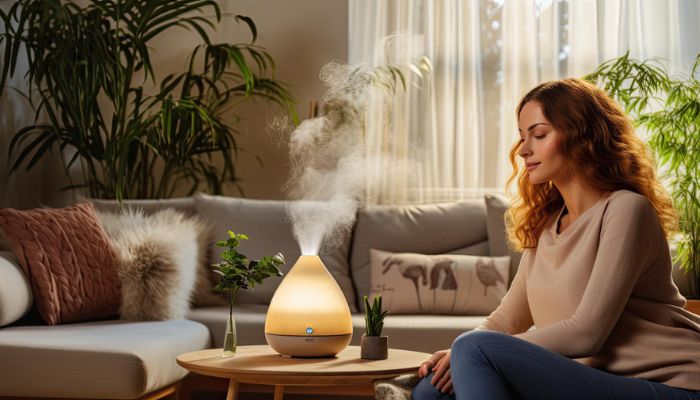
Indoor air quality has a direct impact on how people feel, breathe, and live in their homes every day. While many homeowners focus on temperature control and energy efficiency, they often overlook the quality of the air circulating through their living spaces. However, indoor air quality plays a critical role in protecting health, improving comfort, and supporting long-term wellness. Since people spend most of their time indoors, the condition of indoor air matters more than many realize. Here, we will understand the importance of indoor air quality for a healthier home.
Modern homes trap pollutants more easily due to tight construction and limited ventilation. As a result, contaminants accumulate indoors, creating unhealthy living environments. Therefore, understanding indoor air quality and taking steps to improve it creates a healthier, safer, and more comfortable home for every occupant.
What Is Indoor Air Quality?
Indoor air quality refers to the condition of the air inside homes and residential buildings as it relates to occupant health and comfort. It measures the presence of pollutants, allergens, humidity levels, and overall air circulation. Clean indoor air contains fewer contaminants and supports easier breathing and better well-being.
Indoor air often contains higher pollution levels than outdoor air. Homes trap airborne particles, gases, and moisture inside closed environments. Consequently, without proper ventilation and filtration, indoor pollutants continue to circulate and worsen over time.
Indoor air quality depends on several factors, including ventilation, humidity control, filtration systems, household products, and daily activities. Therefore, homeowners must manage these elements proactively to maintain healthy indoor environments.
Why Indoor Air Quality Matters for Your Health
Indoor air quality directly influences respiratory health, immune function, and overall comfort. Clean air allows lungs to function efficiently and reduces physical stress on the body. Conversely, polluted indoor air irritates airways, increases inflammation, and triggers allergic responses.
Short-term exposure to poor indoor air causes headaches, fatigue, dizziness, and irritation of the eyes, nose, and throat. Long-term exposure contributes to chronic respiratory conditions, cardiovascular problems, and weakened immune systems. As a result, poor indoor air quality affects quality of life and increases healthcare risks.
Additionally, indoor air quality impacts sleep quality and cognitive performance. Fresh, filtered air supports deeper sleep cycles and better concentration during waking hours. Therefore, maintaining healthy indoor air delivers immediate and long-lasting health benefits.
Common Indoor Air Pollutants Found in Homes
Indoor air contains various pollutants that originate from everyday activities and household materials. Understanding these contaminants helps homeowners identify risks and reduce exposure effectively.
Biological Pollutants
Biological pollutants thrive in indoor environments with moisture and limited airflow. These contaminants include mold spores, dust mites, pet dander, bacteria, and viruses. Mold grows in damp areas such as bathrooms, basements, and poorly ventilated spaces. Dust mites and pet dander accumulate in carpets, upholstery, and bedding.
These biological particles trigger allergies, asthma symptoms, and respiratory infections. Therefore, controlling moisture and improving filtration reduces biological contamination significantly.
Chemical Pollutants
Chemical pollutants enter homes through cleaning products, paints, furniture, adhesives, and building materials. These products release volatile organic compounds, commonly known as VOCs. Tobacco smoke and combustion byproducts also contribute to chemical pollution.
VOCs irritate the airways and cause headaches, nausea, and long-term health effects. Consequently, homeowners benefit from choosing low-emission products and improving ventilation.
Particulate Matter
Particulate matter includes fine particles such as dust, pollen, smoke, and soot. These particles remain suspended in the air and easily enter the lungs when inhaled. Cooking, burning candles, and outdoor pollution increase indoor particulate levels.
Since fine particles penetrate deep into the respiratory system, effective filtration remains essential for removing them from indoor air.
Signs Your Home Has Poor Indoor Air Quality
Homes often show clear warning signs when indoor air quality declines. Recognizing these indicators allows homeowners to address problems early.
Persistent allergy symptoms, frequent coughing, or respiratory irritation often signal airborne contaminants. Additionally, recurring headaches, fatigue, or difficulty concentrating indicate insufficient ventilation or pollutant buildup.
Musty odors point to mold growth or excessive humidity. Excessive dust accumulation also suggests inadequate filtration. Furthermore, worsening asthma symptoms frequently result from polluted indoor air.
When these signs appear consistently, homeowners should evaluate their indoor air quality immediately.
How Poor Indoor Air Quality Affects Different People
Indoor air quality affects individuals differently depending on age, health, and sensitivity. Certain groups face higher risks from polluted indoor air.
Children and Infants
Children breathe more air relative to their body size, which increases exposure to airborne pollutants. Developing lungs and immune systems make children especially vulnerable to contaminants. Clean indoor air supports healthy growth and reduces respiratory illnesses.
Seniors
Older adults often experience reduced lung function and increased sensitivity to pollutants. Poor indoor air aggravates existing conditions such as heart disease and chronic respiratory disorders. Therefore, maintaining clean air protects senior health and comfort.
People With Allergies or Asthma
Airborne allergens and irritants trigger asthma attacks and allergy flare-ups. Effective air filtration and humidity control reduce symptom severity and improve daily comfort.
Pets
Pets also inhale indoor air continuously. Poor air quality causes respiratory issues, skin irritation, and overall discomfort in animals. Clean indoor air supports healthier pets and cleaner living environments.
Common Factors That Reduce Indoor Air Quality
Several household factors contribute to declining indoor air quality. Identifying these contributors helps homeowners implement effective solutions.
Poor ventilation traps pollutants inside the home. Dirty HVAC systems circulate contaminated air when filters clog or equipment lacks maintenance. High humidity encourages mold growth and dust mite populations.
Chemical-based cleaning products release harmful vapors. Additionally, inadequate air circulation allows pollutants to settle and accumulate. Therefore, addressing these factors improves indoor air conditions significantly.
Benefits of Improving Indoor Air Quality
Improving indoor air quality delivers measurable benefits that enhance daily living. Clean air reduces respiratory irritation and supports easier breathing. Improved air quality also promotes better sleep and higher energy levels.
Homeowners experience fewer allergy and asthma symptoms with effective air filtration. Additionally, balanced humidity protects home structures, furnishings, and electronics from moisture damage.
Most importantly, healthier indoor air creates safer living environments for families. Therefore, investing in indoor air quality improvements delivers long-term value and comfort.
How to Improve Indoor Air Quality in Your Home
Homeowners can improve indoor air quality through practical and effective strategies. Each step contributes to cleaner, healthier air.
Improve Ventilation
Proper ventilation replaces stale indoor air with fresh outdoor air. Natural ventilation through windows helps when outdoor conditions allow. Mechanical ventilation systems provide consistent airflow regardless of weather conditions.
Maintain HVAC Systems
HVAC systems play a central role in air circulation and filtration. Regular filter changes prevent dust and allergens from recirculating. Professional maintenance ensures efficient system performance and cleaner air distribution. Cube Heating & Cooling emphasizes routine HVAC maintenance as a foundational step in improving indoor air quality.
Control Humidity Levels
Balanced humidity prevents mold growth and dust mite proliferation. Dehumidifiers and exhaust fans reduce excess moisture in kitchens, bathrooms, and basements. Proper humidity control also improves comfort and protects home materials.
Reduce Indoor Pollutants
Using low-VOC cleaning products reduces chemical emissions. Avoiding indoor smoking and limiting candle use also lowers pollutant levels. Simple behavioral changes create immediate air quality improvements.
Use Air Purification Solutions
Air purifiers capture airborne particles and allergens effectively. Whole-home air purification systems integrate with HVAC equipment to clean air throughout the house. Cube Heating & Cooling provides integrated solutions that enhance filtration and air circulation for healthier homes.
The Role of HVAC Systems in Indoor Air Quality
HVAC systems directly influence indoor air quality by circulating, filtering, and conditioning air. High-quality filters remove dust, pollen, and fine particles before air reaches living spaces.
Advanced HVAC solutions include enhanced filtration, UV light treatment, and humidity control features. Properly designed systems distribute clean air evenly and prevent stagnant zones. Therefore, professional HVAC installation and maintenance remain essential for optimal indoor air quality.
Cube Heating & Cooling designs HVAC systems with air quality performance in mind, ensuring efficient airflow and consistent filtration throughout the home.
When Should You Test Indoor Air Quality?
Homeowners should test indoor air quality when symptoms persist or environmental changes occur. Testing becomes essential after water damage, mold growth, or renovations. Additionally, frequent respiratory issues warrant professional assessment.
Indoor air quality testing identifies specific pollutants and guides targeted solutions. Professional evaluations provide accurate measurements and actionable recommendations. Therefore, testing supports informed decision-making and effective remediation.
FAQs About The Importance Of Indoor Air Quality
What is considered good indoor air quality?
Good indoor air quality includes low pollutant levels, balanced humidity, and effective ventilation. Clean air should feel fresh, cause no irritation, and support comfortable breathing. Proper filtration and moisture control maintain these conditions consistently.
How often should HVAC filters be replaced?
Most homes require filter replacement every one to three months. Homes with pets, allergies, or high dust levels benefit from more frequent changes. Regular replacement ensures efficient airflow and cleaner indoor air.
Can indoor plants improve air quality?
Indoor plants contribute modestly to air freshness and humidity balance. However, plants alone cannot replace proper ventilation and filtration systems. Homeowners should combine plants with mechanical solutions for meaningful air quality improvement.
Is indoor air quality worse during winter?
Indoor air quality often declines during winter due to closed windows and reduced ventilation. Heating systems circulate indoor air repeatedly, which concentrates pollutants. Therefore, winter maintenance and filtration become especially important.
How quickly can indoor air quality improve?
Indoor air quality improves quickly once homeowners implement effective measures. Filter replacement, ventilation improvements, and pollutant reduction deliver noticeable results within days or weeks.
Conclusion
Indoor air quality serves as a foundational element of a healthy home environment. Clean air supports respiratory health, comfort, and long-term wellness for every household member. Since modern homes trap pollutants easily, proactive management becomes essential.
By understanding indoor air contaminants, recognizing warning signs, and implementing effective solutions, homeowners create healthier living spaces. Proper & regular HVAC maintenance, filtration, and humidity control remain critical components of air quality improvement.
Cube Heating & Cooling supports homeowners with professional solutions designed to enhance indoor air quality and overall comfort. Investing in clean indoor air delivers lasting benefits that protect health and improve everyday life. Contact us today to schedule your indoor air quality service and take the first step toward cleaner, healthier air throughout your home.
